What North York and Thornhill Condos Require Before Move Day
A lead-time checklist for condo moves in North York and Thornhill, from the freight elevator reservation and insurance certificate to dock access, sublet permission and closing paperwork.
Condo owners and tenants moving in North York or Thornhill need a freight elevator reservation before any other booking, because leaving it until last can cost the preferred date and force the move around whatever slot remains. Weekend and month-end dates can book up early, so ask management about reservation rules, lead times and the busiest dates first.
The elevator window sets the day
The truck's arrival, the crew's start time and any key handover from the previous occupant all get arranged around one fixed point, the elevator window the building assigns. Many condo buildings in North York and Thornhill assign such time slots, so confirm the rules with your management office before scheduling anything else.
People often book the truck first and the elevator second, when the building's slot should set the date and the truck should follow it. Confirm a slot at both the origin and the destination building. Some buildings ask for a Certificate of Insurance and set permitted move hours, so confirm both with each property manager.
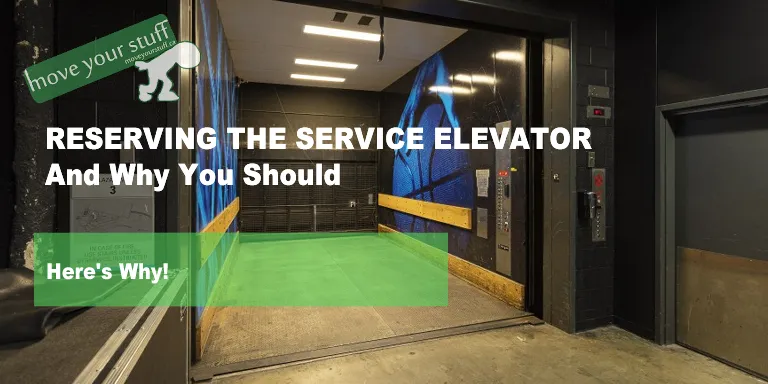
Service elevator in a condo lobby with yellow and black floor safety markings and protective wall padding
Insurance Certificates and Building Move Hours
Buildings control the elevator because condo corporations manage the common elements, including elevators, lobbies and loading docks, and set rules for their use. A move sends heavy furniture through all three, which is why management attaches conditions to every reservation it grants.
Get the certificate on file early
A confirmed slot can still fall apart when property management has no Certificate of Insurance from the moving company on file. Many buildings ask for one, so check your building's move-in rules, request the certificate from your mover as soon as the booking is made and forward it to management, keeping the sent email as proof.
Buildings set their own permitted move hours, and that window belongs to loading, since boxing loose items while the elevator is held wastes it. Ask management for your building's hours. Finishing the packing beforehand, or booking professional packing services, keeps the slot focused on loading, though those hours only help if the truck can reach the dock.
Written elevator confirmation from the building you are leaving
Written elevator confirmation from the destination building, with the exact slot time
A Certificate of Insurance from the mover, already forwarded to property management
The building's permitted move hours, often 9 AM to 5 PM on weekdays
Boxes packed and sealed before the slot opens, so the reserved time goes to loading
Truck Height, Loading Docks and Yonge Street Parking
A truck pulling up to a Yonge-Sheppard tower may meet a loading dock with its own clearance limits, and parking on Yonge Street may be restricted, so confirm where the truck can legally stop before the crew commits to a side street or the building's own dock.
Ask for the clearance in writing
When a dock's clearance rules out a particular vehicle, a nearby side street may be the only place to park. In every case, ask management for the dock clearance height and the exact location of the loading area, then pass both details to your movers together with the building's parking instructions.
Get the dock height and parking instructions to the crew in writing before the truck is chosen. Renters leaving before the lease ends still have a second approval outstanding, this time from the landlord.
The dock clearance height, measured and confirmed by management
Where the loading area sits and how a truck reaches it from the street
Whether the crew should stage on a side street because Yonge Street parking is restricted
Any written parking instructions the building issues for move day
Tenants Leaving Before the Lease Ends
Subletting needs landlord permission
A condo tenant who has already found the next unit can still be bound by a rental agreement that has not yet expired. Subletting is one route out, and the Financial Consumer Agency of Canada notes it means finding someone who will live there, pay rent and follow the rental agreement, plus permission from your landlord.
If the subtenant does not pay the rent or damages the unit, the original tenant remains responsible. Written landlord permission therefore belongs on the checklist before a move-out date is fixed, while owners selling or buying a unit face paperwork that runs on a legal timeline instead of the building's calendar.
Closing Paperwork for Condo Owners
Buyers sometimes assume a condo unit is treated differently from a house for land transfer tax, yet Ontario's land transfer tax guidance says single family residences include cottages, cabins and similar structures designed as a family residence.
Pre-construction and rented units count
Ontario defines the residence by its design for occupation by a family, and that definition holds whether or not rent is paid to occupy any part of it. It also includes a residence that is to be constructed as part of the arrangement relating to a conveyance, which brings pre-construction purchases and partly rented units inside the same rules.
The closing date, confirmed with the lawyer handling registration
Whether the purchase is a pre-construction unit or has a rented portion, both of which still fall under the single family residence definition
Certified or notarized originals, if you are registering without a lawyer, surveyor or broker
The key possession time, checked against the elevator slot booked at the new building
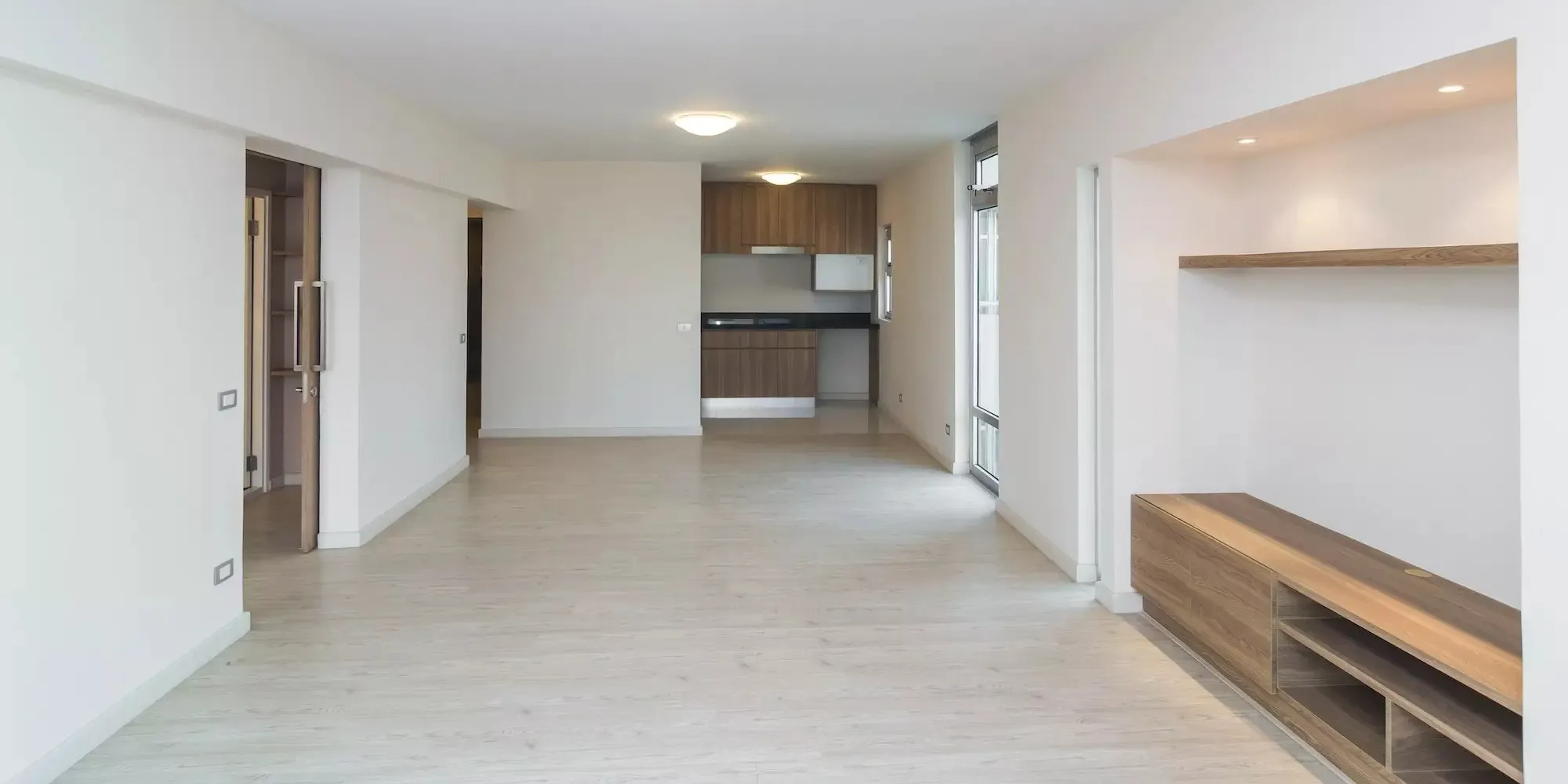
Empty bright condo unit with light wood floors, white walls, built-in shelving and an open kitchen
Hand the Building Rules to Your Movers
A crew arriving inside a reserved elevator window has no time to discover the elevator time slot, the parking instructions or the loading area details at the door, so each building's rules need to reach them before moving day. Measure sectionals, bed frames and dining tables against the elevator cab, and arrange furniture disassembly for anything that will not fit.
Put every rule on one sheet
A management email the crew never saw can stall a move inside its own elevator slot. Since building rules may require an insurance certificate, restrict move hours and limit truck height, compile one sheet listing slot times at both buildings, dock height, permitted hours and Certificate of Insurance confirmation, then attach it to the quote request so the estimate reflects real access conditions.
Before confirming the elevator date, check that management at both buildings has the Certificate of Insurance on file, since many buildings require one, and reserve early because weekends and month-end can book up. Send the sheet to Move Your Stuff through the quote request page or call 647-982-1819 so the crew and reservation lock in together.
Elevator slot times at the origin building and the destination building
Dock clearance height and the location of each loading area
The permitted move hours at both addresses
Parking instructions, including any side-street arrangement near Yonge Street
Confirmation that the Certificate of Insurance reached property management
Condo move checklist for North York and Thornhill covering freight elevator booking, mover insurance certificates, loading docks and closing paperwork.