
GTA Packing Specialists

Every Box Packed, Every Item Protected

Packing a full home without professional help costs 15 to 20 hours and leaves your most valuable items at the highest risk of transit damage. Our team takes the entire process off your hands for every room and every item, with all materials supplied. Packing is included free with a booked move. Call now to get your estimate.

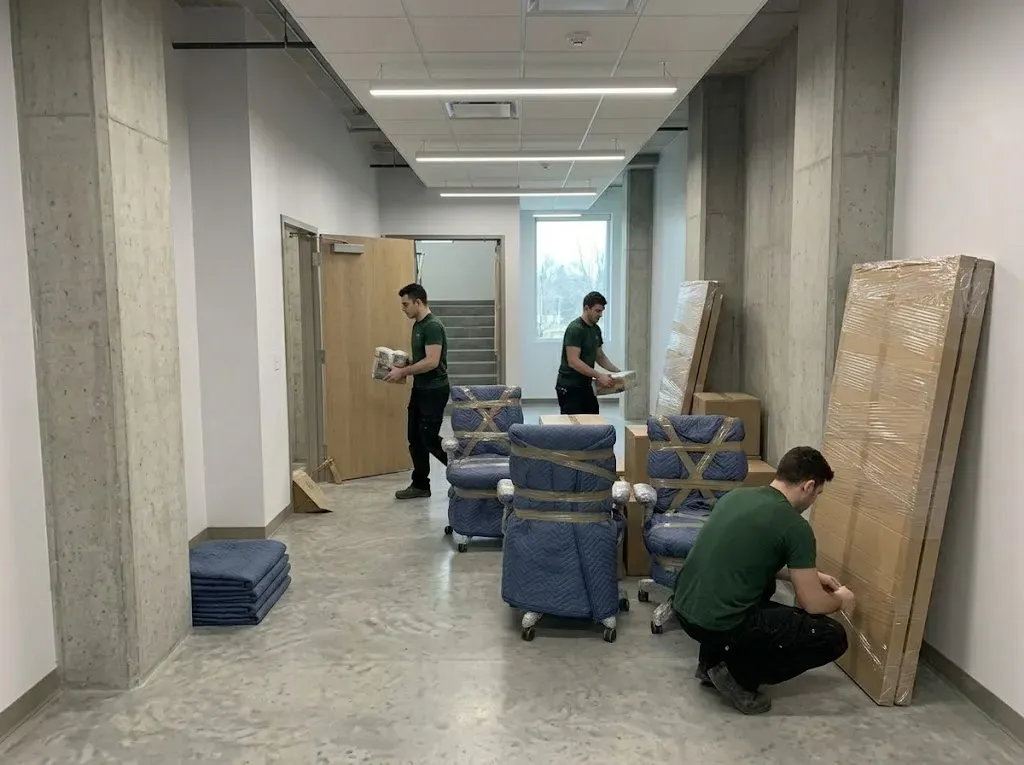
Professional packing team systematically wrapping and boxing items
Expert

Why Professional Packing Is Worth It

A two-bedroom home takes a first-time packer 15 to 20 hours spread across multiple days. A trained team works the same volume in a fraction of that time because they are not making judgment calls about what goes where. They have a system and they execute it room by room without stopping. Beyond the time, most people pack using the wrong box sizes. Heavy books go into large boxes until the bottom fails, and fragile dishes end up in undersized containers with insufficient padding to prevent contact. The majority of item damage on a move does not happen during loading or unloading. It happens in transit, when items shift inside boxes that were packed with air gaps and no internal cushioning. A badly packed box that looks sealed and organized on the outside is carrying a collision event at every corner.

The cognitive load of packing a full home is routinely underestimated. Every item requires a decision on which box to use, how much wrap is needed, and which room it belongs to at the destination. Multiply that across a thousand objects and spread it over a week of evenings after work. Decision fatigue during packing is real, and it is one of the primary reasons people arrive at their new home already depleted. Professional packing removes that entire process from your calendar. For clients booking a move with us, packing is included at no additional charge. This is a significant advantage that should factor into any comparison between moving companies.

REMOVING THE
MENTAL BURDEN

The difference between a professional packing system and a self-directed effort is method, not just effort. Professionals work a clear room-by-room sequence, starting with least-used spaces and finishing at the essentials needed until moving day. Every box closes with correct internal cushioning rather than an assumption. Every fragile item is individually wrapped before it shares space with anything else in the same box. The result is a truck loaded with boxes that will not collapse under stack weight, will not allow items to shift during transit, and will tell the unloading crew exactly where each box belongs at the destination before the seal is broken.

Every Packing Service We Offer

From full household packing to specialized handling for fragile items, each packing format is scoped to the specific situation instead of being applied as a blanket solution.

Full Pack

Our team packs the entire home from start to finish for every room and every item, with all materials included. On the day of packing, the crew works a room-by-room sequence and completes the full pack before the move crew begins loading the truck. For a two-bedroom home, a two-person packing crew typically finishes in three to four hours. A four-bedroom home with a fully stocked kitchen and a home office runs five to seven hours with a larger crew.

Partial Pack

Common when the client has already handled personal items and clothing but wants professional help with the kitchen, fragile items, and furniture wrapping. Partial pack is scoped exactly. You specify which rooms or categories are in, and the team handles only those. There is no pressure to expand the scope.

Fragile Only

Glassware, artwork, antiques, electronics, and mirrors are included in this scope. These are the categories where a single packing error produces the most expensive and irreversible result. Fragile-only pack is the most commonly requested partial scope and the one where the difference between professional and DIY packing is most clearly visible.

Kitchen Pack

The kitchen is the most time-consuming room to pack and carries the highest risk for breakage. Every plate is individually wrapped in packing paper. Glasses go into dish-pack boxes with cell dividers that prevent contact between pieces. Appliances are wrapped and loaded with their hardware intact where possible. Most people underestimate kitchen pack time by a factor of three.

Unpacking Service

This is more than a box drop. Our unpacking service places items into cupboards, shelves, and wardrobes according to your direction, disposes of all packing materials, and gets the home functional on the same day as the move. You end the day in a home ready to live in instead of a warehouse of sealed boxes.

Commercial Packing

Offices, retail environments, and hospitality settings require chain of custody for sensitive equipment and documents, different material grades, and coordination with site access restrictions and business hours. Commercial packing is scoped separately from residential and priced based on volume and item categories.

Materials We Use and Why They Matter

The right material matched to the right item is what separates professional packing from an organized guess.

Box selection is the first place DIY packing fails. Small boxes carry heavy items like books, tools, and dense kitchen contents because the weight stays manageable and the structural load on the box bottom stays within limits. Large boxes carry light, bulky items including linens, towels, and lampshades. A large box filled with books will fail at the bottom seam during a carry, damaging the contents and creating a safety hazard for the crew. Packing paper is the primary wrapping material for most items because it is soft, high volume, and leaves no residue. Bubble wrap is reserved for fragile surfaces where padding thickness matters and paper alone is insufficient. Standard newsprint is never used because ink transfers onto any surface it contacts during transit and can permanently stain finished pieces. Furniture blankets go around every upholstered piece before it leaves the room, and plastic stretch wrap locks the blanket in place during loading and transport.

Specialty boxes are matched to specific item types. Mirror boxes telescope to fit exact dimensions and hold the piece rigid with no internal movement. TV boxes with foam corner inserts keep the screen from making contact with any surface. Wardrobe boxes with a hanging bar allow clothing to travel on the hanger, arriving without compression or wrinkling. Mattress bags seal the sleep surface against contact with any other item during the move. Box sealing follows the same standard as packing. The bottom of every box is double-taped before loading, and heavy boxes receive a reinforcing strip across the centre seam. Every box is labelled with destination room and contents category before it is sealed. Fragile boxes are marked on all four sides and the top, and are loaded upright with no heavy stacking above them.

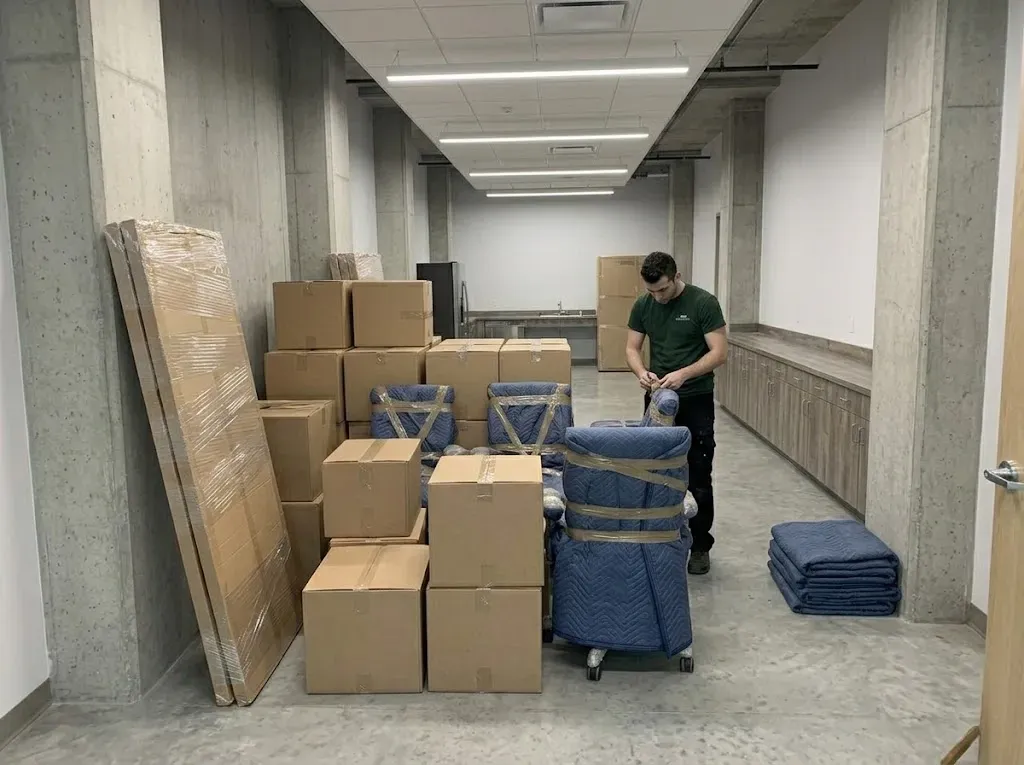
Stacks of high-quality cardboard boxes and professional packing supplies
READY TO MOVE?

Still have questions? Let's talk.

Our team is available 9am - 9pm, 7 days a week to help plan your perfect move.

How We Handle High-Risk Categories

These are the items most likely to be damaged during a move that was otherwise well executed. Each category requires a specific protocol.

01

Glassware and China

Every piece is individually wrapped in packing paper instead of being bundled with others in a shared sheet. Dish-pack boxes with internal cell dividers keep each wrapped glass or plate in its own compartment. Box weight limits are respected. A standard dish-pack holds two layers, not three. No glass surface makes contact with any other surface in a correctly packed box.

02

Artwork and Mirrors

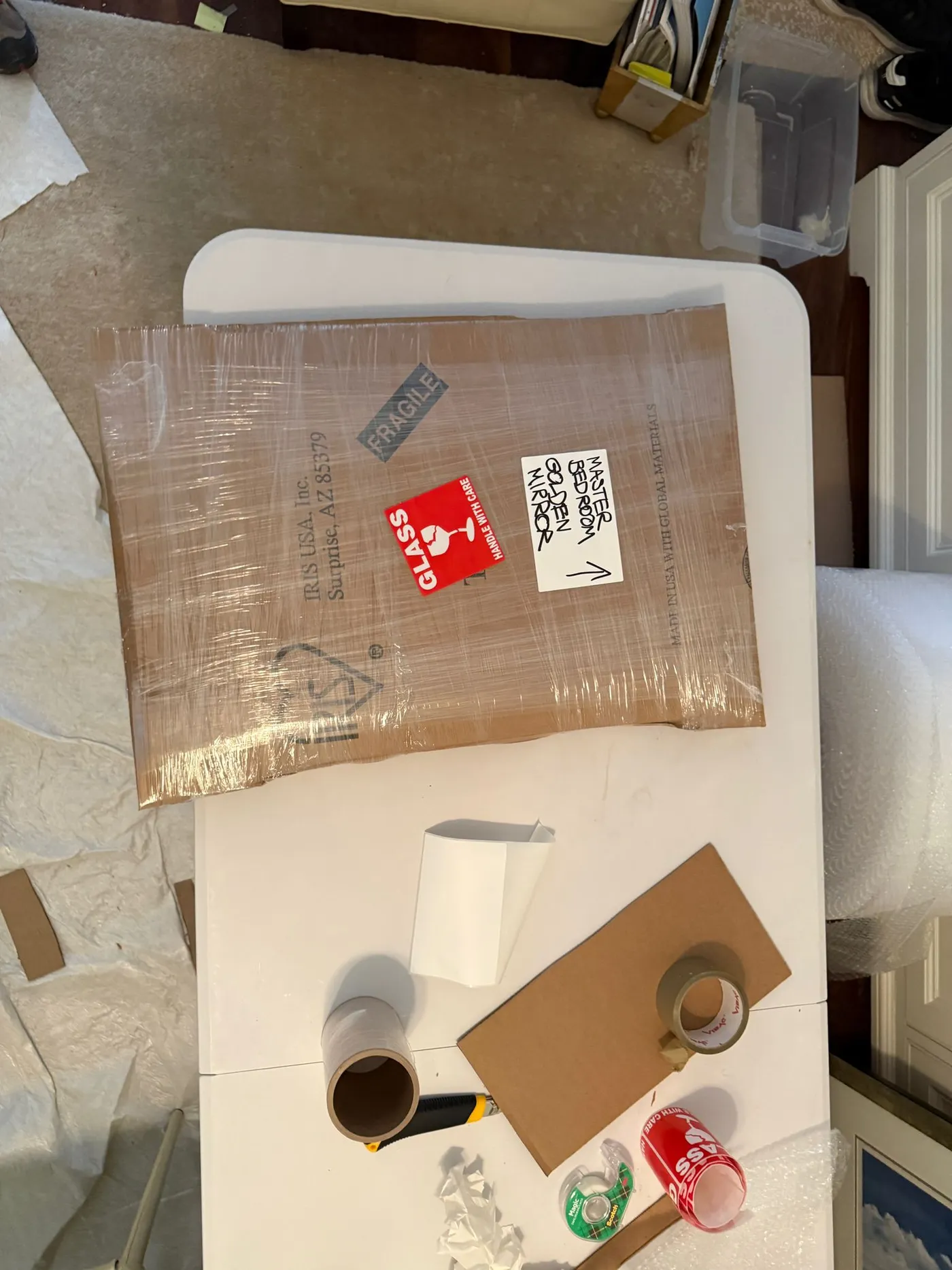
Corner protectors are applied before wrapping. Glassine paper goes directly against the surface of any artwork to prevent material transfer during wrapping. Mirror boxes are sized to the exact piece. Large canvases are wrapped and stored vertically. Laying a canvas face-down during transit places simultaneous pressure on both the frame and the surface and is never correct.

03

Electronics

Screens and monitors receive anti-static wrap against the surface before any outer padding is applied. Original manufacturer boxes are preferred when available. When they are not, dedicated TV boxes with foam inserts are used. Cables are labelled at both ends, bundled, and packed in a clearly marked box alongside the device they belong to. Nothing with a screen travels in a furniture blanket without a rigid outer layer.

04

Antiques and High-Value Items

Extra padding layers, double-boxing for extremely fragile pieces, and additional internal cushioning between the item and the box wall are used. High-value items are documented with photographs before packing begins. Custom wrapping for irregularly shaped antiques is standard. The goal is zero contact between the item surface and any other surface throughout the move, including during transit vibration.

05

Clothing and Textiles

Hanging clothing travels in wardrobe boxes on the hanger, maintaining garment structure from closet to closet. Folded items are packed with tissue paper between layers for delicate fabrics. Garbage bags are not an acceptable packing format because items arrive compressed, potentially damp from condensation inside the bag, and unsorted. The time required to re-hang and de-wrinkle a full wardrobe that travelled in bags is three times the cost of wardrobe boxes.

06

Books and Documents

Books pack spine-down rather than flat to prevent page warping under weight. Small boxes only are used. A fully loaded book box weighs 30 to 40 pounds at standard fill and exceeds safe carry weight in a larger format. Important documents, legal papers, and irreplaceable records are separated from general packing and travel with the client directly.

07

Kitchen Appliances

Small appliances are wrapped individually with internal cavities supported. A coffee maker with an unsupported carafe compartment will collapse inward under transport pressure. Large appliances are prepared on-site. Doors are secured, removable components are wrapped separately, and drip trays are drained and dried. Anything with a water reservoir is emptied before packing begins.

08

Plants

Plants require ventilation during transport and cannot be sealed in a closed box. Most tropical houseplants tolerate a standard move window in a climate-controlled truck. Ontario's Ministry of Agriculture, Food and Rural Affairs restricts the transport of certain plant species across regional boundaries due to pest and disease regulations. If your move crosses regional lines and you have an unusual plant collection, flag it at the estimate stage.

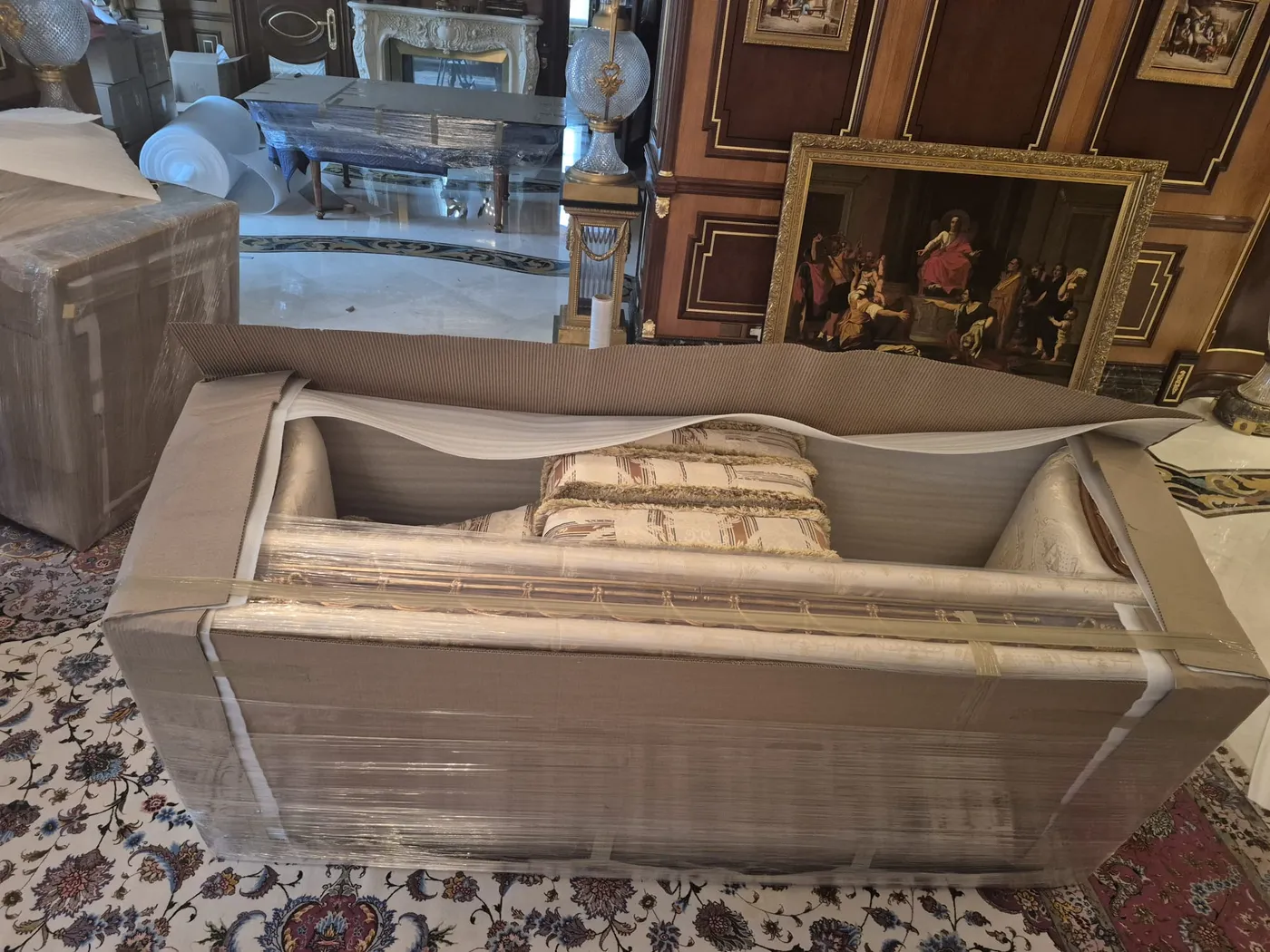
Securely packed large item in a custom cardboard shipping crate
Protect

The Risks of Inadequate Packing

Most standard moving insurance policies contain specific exclusions for damage to customer-packed items. If you packed the box and the contents arrive broken, the claim is routinely denied. This happens because the policy explicitly names customer packing as an exclusion, not because the mover is avoiding liability. A box of books that exceeds 50 pounds fails at the seam during a carry. The contents hit the floor and the crew member may be injured. Neither outcome is recoverable through a standard policy when the packing error is on the client's side. When our team packs an item, coverage applies to damage that occurs during the move.

A single unpadded gap inside a box is sufficient for glassware to make contact during road vibration. The gap does not need to be large. Transit damage is not always a dramatic impact. It accumulates in minor collisions inside a box that were never cushioned. Furniture finish damage follows the same logic. A contact point between a wooden surface and any hard object during loading, even briefly, leaves a permanent mark on lacquered or stained wood. Wrapping eliminates the contact. An unwrapped corner does not get a second chance. Clothing packed in garbage bags arrives compressed, potentially damp, and unsorted. The time required to re-hang and organize a wardrobe's worth of garments after that is significant.

HOW THE
FREE PACKING WORKS

When you book a move with Move Your Stuff, professional packing is included at no additional charge. This covers the full packing of your home by our crew, with all materials supplied including boxes, packing paper, bubble wrap, tape, and specialty packaging where needed. There is no home size cap that triggers an additional fee. Packing is typically scheduled for the morning of moving day, before the load crew begins. For larger homes or clients who prefer a buffer, packing can be scheduled the day before the move. Partial packing is also available within the free scope. If you have already packed personal items and clothing, the crew handles everything else. The only variable is timing. Booking at least two weeks in advance is recommended to secure your preferred packing date alongside the move, particularly during peak months from May through September.

Our Packing Process In Real Depth

From the initial walkthrough to the final room sweep, every step in the packing sequence is executed in the same order on every job.

01
Pre-Pack Assessment

Before packing begins, the team walks the home to identify item categories, estimate material quantities, and flag any pieces requiring specialty handling. This step prevents the mid-job discovery of a piece that needs a custom box that is not on the truck. Assessment takes fifteen to twenty minutes and determines the crew size and supply load needed for the job.

02
Materials Staging

Boxes, packing paper, tape, bubble wrap, and specialty materials are brought in and staged near the first room before any packing begins. Staging supplies room by room as work progresses keeps the work area clear and ensures the crew is never waiting on materials mid-sequence.

03
Room Sequence

Packing starts in rooms that will not be needed again before moving day, such as storage rooms, guest rooms, and spare rooms. It ends in the rooms used daily including the kitchen, bedroom, and bathroom essentials. This sequence allows the client to function normally in the home until the last possible point before the move.

04
Wrapping and Categorization

Each item is wrapped to the standard required for its category before it goes into a box. Fragile items are not co-packed with non-fragile items unless the box structure specifically accommodates it. Heavy items are packed first in each box, with lighter items above. No box is closed until the internal cushioning is confirmed.

05
Labelling

Every box receives a destination room label and a contents category notation before it is sealed. Fragile boxes are marked on all four sides and the top. Boxes containing items that must remain upright are marked accordingly. This labelling system means the unloading crew places boxes correctly on first carry without guesswork at the destination.

06
Box Staging and Final Sweep

Packed boxes are organized by destination room and stacked for efficient truck loading with heaviest at the base, lighter on top, and fragile boxes staged separately. Before leaving, the team conducts a room-by-room final check to confirm nothing was missed. Closet shelves, under-bed storage, and cabinet upper shelves are the locations most commonly skipped on a final sweep.

15+
Years Packing GTA Homes Professionally

100%
All Materials Supplied

Full
Coverage on All Team-Packed Items

Why Clients Trust Our Team

Fifteen years of packing across GTA homes means the team has worked every housing type from high-rise condos with elevator booking windows to Vaughan estate homes with eight rooms of accumulated possessions and North York townhomes where stairwell access dictates every carry sequence. All packing materials are supplied and included. There is no last-minute sourcing of boxes and no compromising with whatever materials are available. The insurance coverage on team-packed items is not a conditional promise. When our crew packs a box, the contents are covered against damage that occurs during the move. That coverage is specifically voided when the client has packed the item themselves, which is why the distinction between who packed what matters when a claim is filed. Payment is collected only after the job is complete and the client confirms the work is correct.

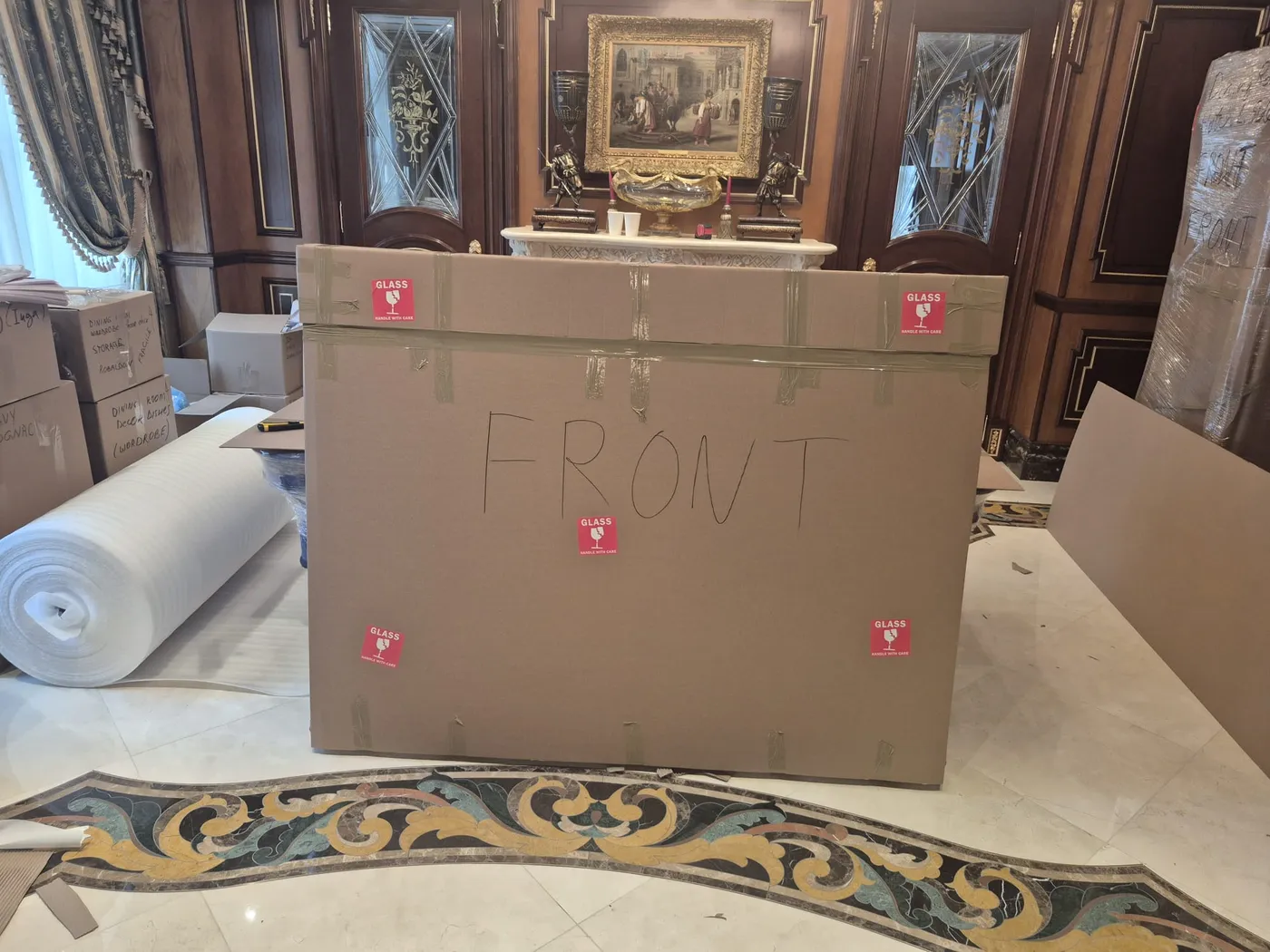
A large custom cardboard crate marked 'front' for fragile item transport
Packing Services FAQ

Common Questions About Packing and Prep

Specific answers to the questions that come up most often when booking a professional packing service.

Do you supply all packing materials, or do I need to provide anything?

All materials are supplied by the team. Boxes in the correct sizes, packing paper, bubble wrap, tape, wardrobe boxes, dish-pack boxes with cell dividers, and any specialty packaging required for mirrors, TVs, or artwork are brought on the job. Nothing needs to be sourced or purchased by the client in advance.

Is packing really free when I book a move?

Yes. When you book a move with Move Your Stuff, professional packing of your home is included at no additional charge, with all materials included. There is no home size threshold that converts the service to a fee. The only requirement is that packing is booked at the time you confirm your move date instead of being added as a request on the day of the move.

Can you pack just my kitchen and fragile items while I handle the rest?

Yes. Partial pack is available within the free scope and can be scoped to any combination of rooms or item categories. A common arrangement is for the client to pack personal items, clothing, and toiletries while the team handles the kitchen, fragile items, and furniture wrapping. Specify the scope when booking and the crew arrives prepared for exactly that.

How far in advance should I book packing services?

For peak months from May through September, book at least two to three weeks in advance. Outside peak season, one week is typically sufficient. Same-day or next-day packing is subject to crew availability. Call to confirm instead of submitting an online request, as same-day capacity changes throughout the day and a phone call produces a faster answer.

How long does it take to pack a 1, 2, or 3-bedroom home?

A one-bedroom apartment with a full kitchen typically takes a two-person crew two to three hours. A two-bedroom home runs three to four hours. A fully loaded three-bedroom house with multiple closets and a complete kitchen can run five to seven hours. These estimates assume the full pack is within scope. Partial packs are proportionally shorter based on the rooms and categories included.

Do you offer unpacking at the destination?

Yes. Unpacking includes removing items from boxes, placing them into cupboards, shelves, and wardrobes according to your direction, and disposing of all packing materials. The home is left functional instead of just being unloaded. Unpacking is available as a separate booking or as part of a full-service move.

What items can you not pack?

Hazardous materials including propane tanks, gasoline, paint, aerosols, and cleaning chemicals fall outside scope. Perishable food and medications are best transported by the client personally. For unusual or high-value items, flag them at the estimate stage for a direct answer on how they will be handled.

Are my items covered by insurance if your team packs them?

Yes. Items packed by our crew are covered under the cargo insurance in place for the move. This coverage does not extend to items the client has packed themselves. Most policies specifically exclude customer-packed items from damage claims. This is one of the practical reasons professional packing adds real value beyond convenience.

Can you pack items I'm putting into storage rather than moving?

Yes. Packing for a storage placement follows the same material and labelling standards as a standard move pack. For long-term storage, the packing standard is adjusted with heavier plastic wrap application, more conservative box fill weights, and moisture-consideration wrapping for extended periods in a storage environment.

Do you dispose of packing materials after unpacking?

All boxes, packing paper, bubble wrap, and tape are removed from the destination and disposed of as part of the unpacking service. The client does not manage material disposal.

What should I do before the packing team arrives?

Confirm which rooms and categories are in scope. Separate items you are transporting personally including valuables, medications, and irreplaceable documents. Clear paths from each room to the exit. Appliances that will be moved should already be disconnected. The clearer the scope going in, the faster and more organized the pack day.

Securely wrapped flat item ready for safe transport
Packing Experts

Move Your Stuff Moves It Best

  • Experience a stress-free move with Move Your Stuff. Choose us, and here's what you can expect:

  • Initiate a personalized discussion with our friendly representatives to outline your unique needs.

  • Collaborate with our adept management to craft a meticulous plan, leaving no room for unexpected surprises.

  • Entrust your move to a team with a sterling reputation throughout the GTA, boasting years of proven experience.

  • Enjoy bespoke moving procedures tailored to accommodate the specific demands of commercial ventures or relocations.

  • Prioritization of your organizational needs as we expedite the process of getting your space in order swiftly and efficiently.

  • Respect for your time is our commitment; we dispatch promptly and communicate transparently, ensuring minimal disruptions.

GET AN ESTIMATE

Which Services Do You Require (select multiple)?

Check Your Email After Submission

CLEAN, HASSLE-FREE, & MONTHLY BIN RENTAL

  • Premium quality bins with versatile sizing

  • Seamless waste disposal with affordable bin rentals

  • Month-long bin rentals at competitive pricing

  • Fully licensed and insured with fast, 5-star customer service

  • Flat rates and upfront quotes with no hidden charges

  • Flexible short and long-term rental plans available

  • Specific bin sizing to help you save space and costs

  • Environmentally sustainable practices

7 Moving Tips to Organize Your Storage Unit blog post image
Organizing a storage unit can seem like a daunting task, especially when faced with a plethora of items to store.
7 Steps to Choose the Right Moving Company blog post image
Choosing the right moving company is a crucial decision that can significantly impact the success and smoothness of your relocation.