Full or partial packing for a Vaughan or Markham move
See what each packing level covers, how labour and tax shape the quote, which items suit crew packing, and why box readiness matters near Yonge North Subway construction.
Households in Vaughan, Richmond Hill, Markham, North York, Thornhill and Newmarket choosing between full and partial packing are deciding which rooms a crew packs and which they pack themselves, and that scope sets how much taxable labour lands on the moving bill. Canada Revenue Agency guidance notes that GST/HST registrants generally must charge and collect GST/HST on taxable supplies they make in Canada, so every room added to the crew's list adds to the taxed total.
Households that run short of time on the final weekend often find whole rooms still unboxed, and full packing is designed for exactly that situation. Under a full packing booking, the crew packs the contents of every room, from kitchen cabinets to hall closets, and the household only sets aside the items it plans to carry itself, such as personal documents, medication or jewellery.
Many households prefer to box their own books, linens and clothing, since those items are sturdy or soft and simple to pack well. Partial packing builds on that habit, with the crew packing only the rooms or categories named in the booking, often the kitchen or a set of fragile pieces, while the household handles everything else. On move day the written scope is what separates the two options, and that same scope becomes the basis of the quote.
What drives packing labour and the quote
Partial packing is often assumed to be the cheaper line on any quote, yet cost follows the volume of items, the number of fragile pieces and the crew hours they take, so a partial booking aimed at a large kitchen full of glassware and dishes can still involve substantial labour. When comparing packing services, weigh the categories on the list, because a short list of delicate categories can take longer than a long list of simple ones.
The state of the home when the crew walks in shapes the hours as much as the list does. The number of rooms, the packing materials each one requires and how much the household has already finished all feed into labour time. Self-packed boxes left unsealed, overfilled or too heavy to stack can add repacking work before loading, which turns a job the household meant to save on into crew time on the bill.
Because the GST/HST applies to the supply of a taxable service, the tax on the packing portion grows with every added labour hour, and the rate depends on the province where the service is supplied. Ask for an itemized quote that separates packing from transport and shows tax on its own line, so the weight of each category stays visible. Fragile items tend to be the largest variable in that packing figure, which makes them the first thing to settle when building a partial list.
Items that belong on a partial packing list
Partial bookings usually go to the categories with the most breakage risk, because those items need individual wrapping, dividers and careful control of box weight. The common crew-pack candidates appear in the list below, and households often add any pieces they would find hardest to replace, whatever their category.
Some of the largest items in a home fall outside packing altogether. A piano needs dedicated handling through piano moving, and beds, desks and tables that must come apart before they fit through a doorway belong to furniture assembly and disassembly. Listing these as separate lines in the booking keeps the packing scope accurate and lets the crew plan for each piece.
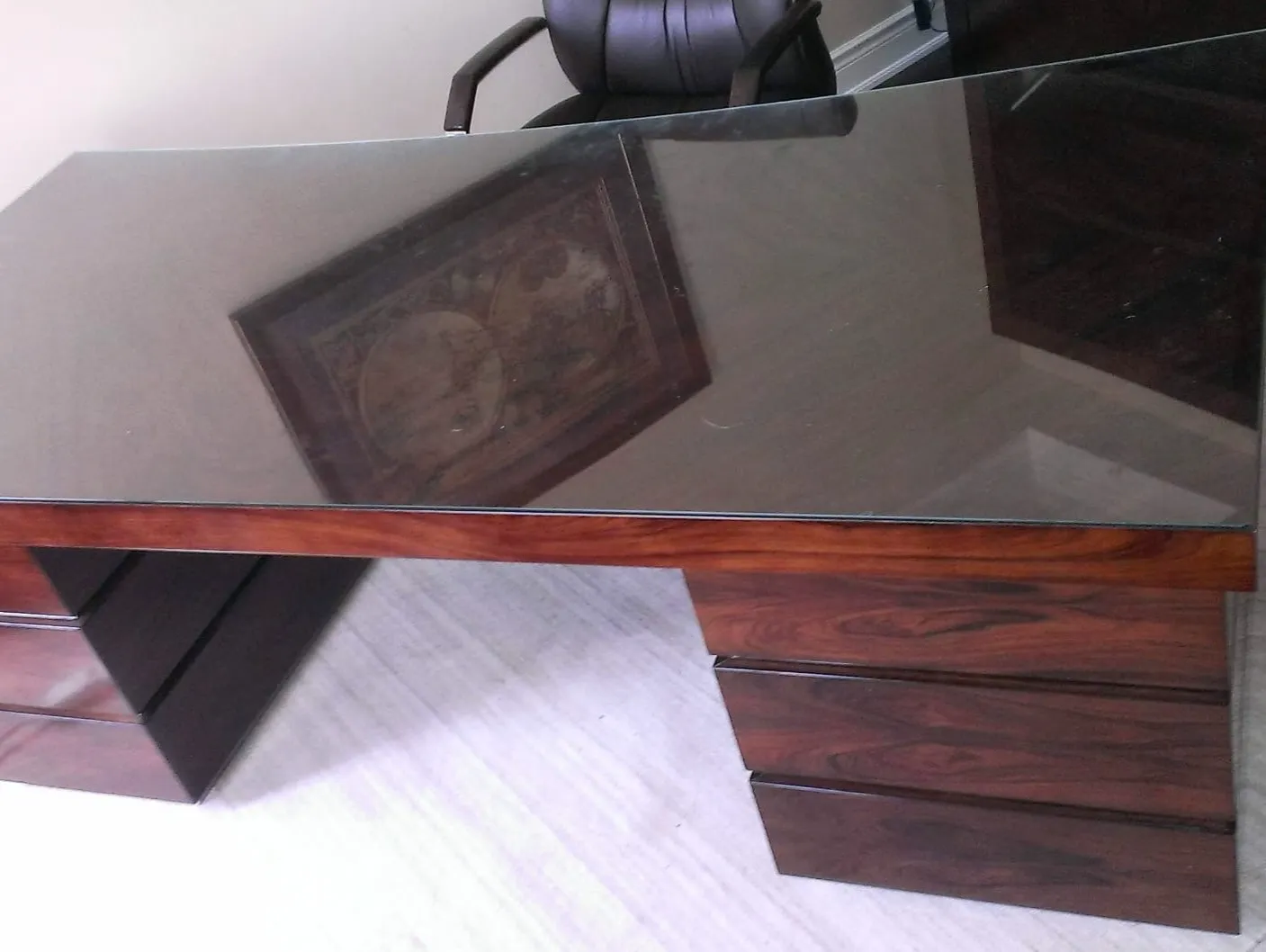
Clothing, books and linens rarely break, so they make the easiest self-pack categories for a household working evenings in the weeks before a move. Furniture is a different job, since wood finishes and metal tops are protected with moving blankets and wrapping applied during crew handling. Whatever the household does pack must be sealed, labelled and staged before the crew arrives, a requirement that carries more weight on streets near active construction.
Glassware and stemware
Everyday dishes, serving platters and mixing bowls
Framed art, mirrors and anything behind glass
Televisions, computers and other electronics, especially without their original boxes
Lamps and ceramic decor
Wrapping furniture in moving blankets is crew handling, so it belongs on a separate line from the boxes your household packs.
Box readiness near Yonge North Subway construction
The construction in question is the Yonge North Subway Extension, where excavation of the tunnel launch shaft is now complete, according to Metrolinx. Once complete, the extension will bring TTC Line 1 subway service approximately eight kilometres farther north, with five new stations serving communities in Toronto, Vaughan, Markham and Richmond Hill.
Households moving near the Yonge corridor in Richmond Hill, Vaughan and Markham are packing and loading beside an active provincial construction project. Before booking a date, check current local access around your street and building, then share what you find with the mover when requesting the quote, so the crew can plan loading with the surroundings already in mind.
Box readiness is where the packing choice meets that construction setting. With full packing, the crew controls readiness because it packs and seals every box itself. With partial packing, the household must have every self-packed box finished before loading starts, since unfinished rooms stretch the time the truck spends at the curb. Condo residents along the corridor can review apartment moving in Richmond Hill, where building move rules add another schedule to meet.
Choosing the packing level for your home
A home with many rooms, several fragile categories and only a few days before the move date suits full packing, because the household has too little time left to finish every room safely. A smaller home with one or two fragile categories and several free weeks suits partial packing, with the crew assigned to the kitchen or the breakables and the household boxing the rest at its own pace.
The scope written into the quote decides what the crew packs on move day. Any room or category left off that list falls to the household, even if it turns out to be the slowest room in the house to pack.
Walk the home room by room this week with a notepad and mark each room or category as crew-pack or self-pack, putting fragile pieces, a piano and any furniture that must come apart on their own lines. Send that list with a quote request, or call Move Your Stuff at 647-982-1819 and ask for an itemized quote that shows tax separately, so the scope on paper matches the boxes waiting on move day.