What Decides Bin Size for a Garage Cleanout or Renovation
A plain guide to how volume, weight, debris type, rental length and driveway space decide which bin fits a garage cleanout or renovation. It also covers what to prepare before you request a quote.
Homeowners in Vaughan, Richmond Hill, Markham, North York, Thornhill and Newmarket planning a garage cleanout or a renovation tear-out pay for a wrong bin size in one of two ways. A small bin that fills early means a second haul, while an oversized one leaves the property carrying capacity that was paid for and never used. Move Your Stuff rents bins and runs junk removal across all six cities. A call to 647-982-1819 or a request on the quote page settles the size before anything is dropped at the curb.
Sizing a bin by how big the pile looks in the garage tends to go wrong, because a heap of boxes and a heap of broken drywall with the same footprint behave very differently once loaded. The job type is a better starting point. Clearing stored household items and tearing out finished rooms each bring two separate limits into play, the space inside the bin and the weight it can safely haul.
The bin you book at the quote stage is the one that arrives, so the size needs settling before delivery day.
Heavy debris can hit limits before space
Bins are usually booked and described by how much they hold, a convention that works for light, bulky loads but leaves out the truck that lifts and hauls the full bin, which has to manage its weight as well. Heavy material can become the real limit long before the bin looks full. Capacity and weight allowances vary between providers and between bins, so confirm the figures for the specific bin you are renting before relying on any rule of thumb.
A typical garage cleanout fills space quickly while weighing relatively little, with old furniture, cardboard boxes, plastic shelving and worn sports gear taking up room out of proportion to their mass. Renovation debris runs the other way, since broken tile, plaster, lumber offcuts and old flooring pack down tightly, and a bin of tear-out material can reach its weight allowance while there is still visible room on top.
Treating a brim-full bin of heavy debris as equal to one packed with light junk is the assumption that causes trouble at pickup, since the provider has to account for weight as well as volume. Ask how weight is handled before you book. Describing the material on the quote request form means the answer reflects your actual load.
Matching the bin to garage and renovation jobs
A garage cleanout is easiest to size once the contents are sorted into what stays, what can be donated and what goes in the bin, because only the last group needs space. Count the large pieces, such as mattresses, bed frames, workbenches and dressers, then break down whatever comes apart, since a dismantled shelf unit lies flat and leaves room for everything else.
Some renovation projects wrap up in a weekend, though most produce debris in waves over days or weeks as demolition, rough-in and finishing work move through the house. Tell the provider how long the project is expected to run and which materials it will produce, such as drywall, flooring or cabinetry, so the bin size and the rental period can be matched to the pace of the work.
Mixed jobs, where a garage cleanout runs alongside a basement or kitchen demolition, are the hardest to estimate because light and heavy loads compete for the same bin. Describing the items and materials in detail when asking for a quote, and sending photos if the provider accepts them, gives a closer match than guessing and flags any material that may need to be kept out of a general debris bin.
Where the bin will sit on your property
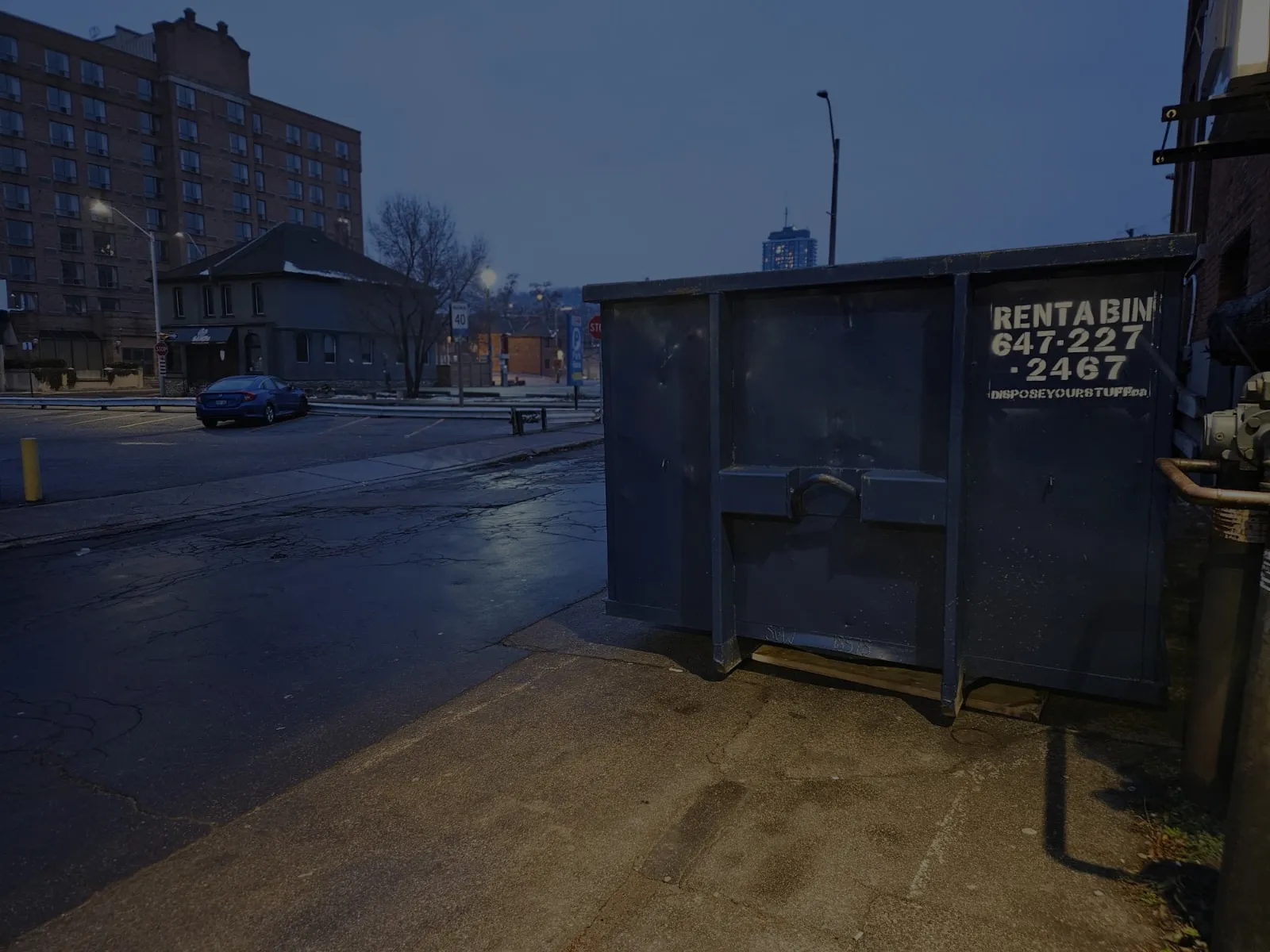
A bin arrives and leaves on a truck, so the driveway needs room for the bin itself plus clearance for the truck to back in and set it down. Before booking, measure the open stretch of driveway, check that the garage door and parked vehicles will stay clear, and look up for overhead wires, tree branches or eaves that could get in the way of delivery.
Private driveways are the usual spot for a bin, although some properties have no room for one and the only remaining option is the street or a shared lane. Placing a bin on a road or other public space may require permission from the municipality, and those rules are set locally, so check with your own city before planning any placement outside your property line.
Assuming a larger bin will fit anywhere there is open pavement is how delivery day goes wrong, leaving a driver unable to set the bin where it was planned or placing it somewhere that blocks the garage for the whole rental. Share your measurements, any slope or tight turn, and the exact spot you have in mind when you request a quote, so the size you book is one that can physically land there.
When junk removal fits better than a bin
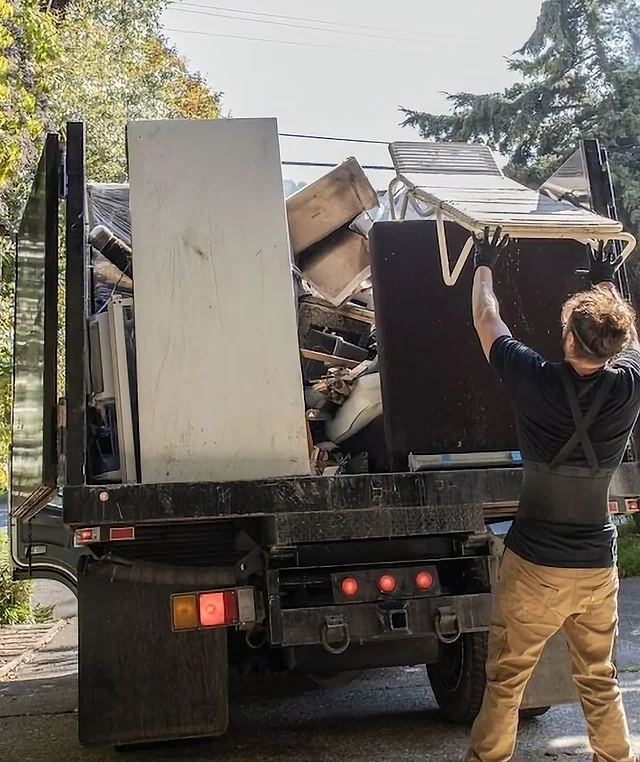
A bin needs two things a property cannot always supply, open space to sit on and someone willing to do the lifting. When the driveway is too tight or nobody is free to load, a junk removal crew that carries items out and hauls them away in one visit can suit the job better, and Move Your Stuff offers that service in Markham, Richmond Hill and the other cities it serves.
Each bin rental is quoted against the job described, so the same driveway can produce very different numbers for a garage of boxes and for a gutted kitchen. The bin size, the type and weight of the material, the length of the rental and where the bin is delivered all shape the figure. The more accurately you describe the load on the quote page, the better the quote reflects the job.
Before calling Move Your Stuff at 647-982-1819 or filling in the form on the quote page, measure the driveway space where the bin will sit and write down the main items and materials going into it, so the bin size is confirmed before the truck arrives.
Bin size, matched to the volume you expect
Weight of the load, which climbs quickly with tile, plaster and other dense tear-out debris
Length of the rental period
Type of debris, since some materials may need separate handling
Access for the delivery truck and where the bin will be placed
A crew that loads and hauls in one visit needs no driveway space for days, which suits tight lots and short-handed jobs.
When a North York bin or moving container needs a Toronto Street Occupation Permit, what drives the permit fee, the moving day parking exclusion, and city drop-off depots.