Getting Your Driveway Ready for a Rental Bin in York Region
A checklist for choosing the bin spot, clearing the truck's path, protecting your driveway and confirming any street placement with the right city office before delivery day.
York Region homeowners and renovators who book a rental bin before deciding where it will sit risk a delivery truck that cannot drop it, because a driveway is private property while the street and boulevard are public road allowance that needs approval from the road authority first. On local streets that is your city or town, on regional roads such as Yonge Street and Highway 7 in York Region it is York Region, and in North York it is the City of Toronto. Homes on busy arterial roads often have limited room for curbside placement, so confirm with the correct road authority before settling on a spot.
Booking first and choosing a spot later is the common failure, and the fix is to reverse the order so the location drives the booking. A driveway keeps every part of that decision in the homeowner's hands, from the angle of the bin to how long it stays. A street spot hands much of it to others, including the municipality, the width of the road and whether parked cars and through traffic can still pass once the bin is down.
Townhomes with short or shared driveways, and homes where the driveway is the only parking for several vehicles, often leave no real choice and push the bin onto the street, so those households need the city's confirmation before delivery day. Wherever the bin is headed, the chosen spot only works if a delivery truck can reach it and set the bin down without striking anything along the way.
Clearing a path for the delivery truck
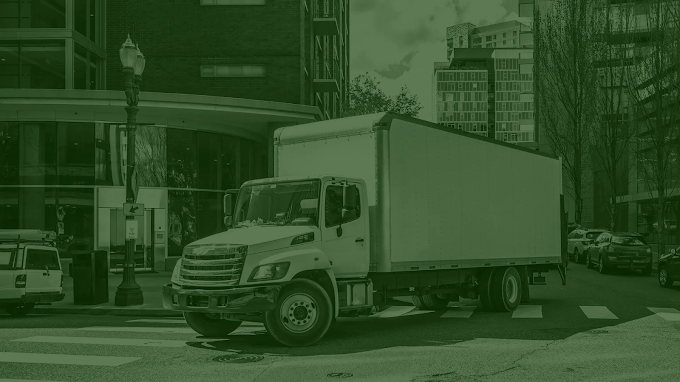
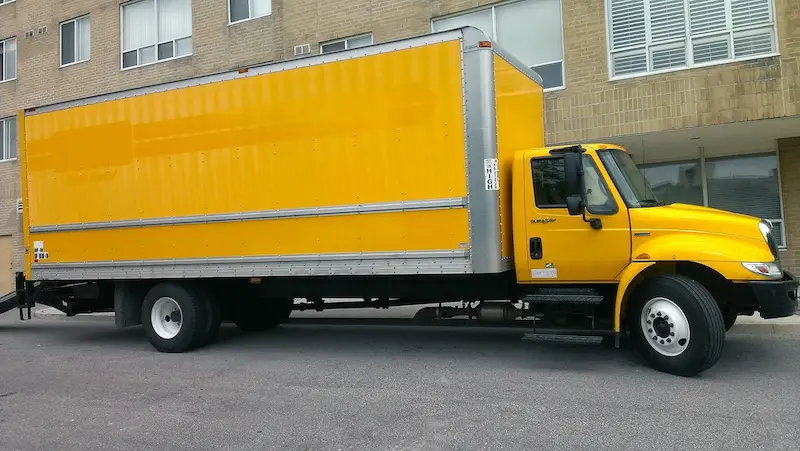
A roll-off delivery truck needs a straight approach to the drop spot, open ground to tilt the bin off its bed, and clear air above the whole path. Low tree limbs, hydro and cable lines strung toward the house, and garage overhangs are the usual obstructions, and none is obvious from indoors. Walk the approach a few days before delivery, and on regional roads such as Yonge Street or Highway 7, confirm with York Region, or the City of Toronto in North York, whether the truck may stop at the curb.
That walk usually turns up parked vehicles as well. A vehicle left where the bin is meant to go means the drop either waits until it is moved or lands somewhere less useful, and a bin set down in the wrong spot stays there for the whole rental. Neighbours' cars count too, so a short conversation the evening before keeps the curb and the foot of the driveway open when the truck arrives.
Treating any open patch of driveway as good enough overlooks that placement decides how far every armload travels and whether the garage stays usable during the rental. A bin parked across the garage door can lock a car inside for days, while one set too close to the street adds steps to every trip. Ask for the door end of the bin to face the house door you will haul through, so the shortest path from room to bin stays clear.
Every vehicle parked in the driveway, including the one you plan to use that evening
Cars parked across the curb or at the foot of the driveway
Portable basketball nets
Planters, benches and decorative stones near the drop spot
Garbage, recycling and green bin carts
Moving cars and checking for low wires along the approach decides whether the bin lands where loading is easiest.
Protecting interlock, asphalt and concrete
A loaded steel bin resting on bare driveway can scratch, mark or press into the surface, and interlocking pavers and recently laid asphalt are the most vulnerable, especially on hot days. Ask for boards or planks under the bin's rails when you book, or lay your own wooden boards where the rails will land before the truck arrives, so the weight spreads across a wider area. The boards also give the driver a clear target for the drop, which helps the bin land square to the house.
Older concrete driveways tolerate more, though cracks and the edges near the curb still take the load when the bin is pulled back onto the truck at pickup. Photograph the whole driveway before delivery, with close-ups of existing cracks, loose pavers and worn edges, then repeat the same shots after pickup. Dated pictures settle any question about what changed during the rental far faster than memory, and taking them costs nothing but a few minutes on delivery morning.
Confirming street placement with your municipality
Municipal roads and boulevards are shared space that snow clearing, waste collection and emergency vehicles rely on, which is why putting a bin there is a city matter. Contact your own municipality before the bin touches the road. In Vaughan, Richmond Hill, Markham and Newmarket that means the local city or town office, Thornhill residents should confirm which municipality their address falls in, and North York addresses are handled by the City of Toronto. Rules, fees and time limits come from that office, so get them there.
Gather the details in the list below before calling, since a vague request rarely gets a firm answer, and write down the name of the person who confirms the placement along with the date of the call so you can point to it if questions come up later.
Those calls go to a different office for homes fronting busy arterial roads such as Yonge Street or Highway 7, which are York Region roads, or City of Toronto roads in North York. Raise street placement with York Region or the City of Toronto early. If approval looks uncertain, plan around the driveway, even if that means a smaller bin or a shorter rental.
If the city has not confirmed a street spot by delivery day, move the drop to the driveway or reschedule the delivery, because a bin placed on the road without approval stays exposed to whatever enforcement the municipality applies for the entire rental.
Your full street address
The delivery date and the planned pickup date
Where the bin will sit relative to the curb and the end of your driveway
Confirmation that the sidewalk, nearby hydrants and storm drains will stay clear
The bin's approximate footprint, which the rental company can supply
Loading the bin and preparing your quote
Load heavy, flat material such as drywall, flooring and broken tile first, laying it across the floor of the bin, then fill gaps with bulkier debris and finish with lighter items on top. Keep everything below the bin's top edge. An overfilled bin cannot be hauled safely, and pickup can stall on the driveway until someone levels the load, which pushes back the day your driveway is clear again.
Assuming a bin suits every job leads some households to book one for a sofa, a mattress and an old appliance, when junk removal can carry those few bulky items away with no driveway occupied at all; Markham households can start at the Markham junk removal page. Bin cost depends on bin size, rental length, the type of material going in and where the bin is placed, so compare both options against your actual pile before committing.
The item people remember too late is what hangs above the drop spot. Before requesting a quote, measure the driveway's length and width, photograph the drop spot with the camera tilted up to show any wires or branches overhead, and note whether your home fronts a busy arterial road. Send those details through the quote request page or call Move Your Stuff at 647-982-1819, so the bin size and drop position are settled before the truck turns onto your street.
When a North York bin or moving container needs a Toronto Street Occupation Permit, what drives the permit fee, the moving day parking exclusion, and city drop-off depots.